AI Friendly Video SEO Article: Sequential Structured Data Enhancement Flow
| Theme | Research Insight | Marketing / Behavioural Takeaway |
|---|---|---|
| Emotional Amplification | Habib & Nithyanand show increased negative-emotion reinforcement (arxiv.org). | Targeting emotionally sensitive audiences can gradually entrench negative content spirals. |
| Long-Term vs. Short-Term | LRF paper emphasises long-term satisfaction over immediate clicks. | Brands may optimise campaigns around sustained engagement, not just impulse metrics. |
| Rabbit-Hole Personalisation | Le Merrer et al.’s bot audit uncovers narrow pathing in autoplay logic. | Micro-targeting can be powerful, and ethical, user-longevity considerations are crucial. |
But what if I don’t want my content to be scraped by AI?
Cloudflare reports that from May 2024 to May 2025, crawler traffic surged 18%, driven by a 305% increase in GPTBot and 96% growth in Googlebot. To help site owners regain control, they introduced managed robots.txt which automatically blocks AI training crawlers by default and policy-based blocking (e.g., on ad pages). Cloudflare’s article “From Googlebot to GPTBot – who’s crawling your website?” Their tools offer transparency on crawler behaviour and empower publishers to protect content in the AI era.
AI Appeal prioritises semantic alignment, entity connection, and content purpose
Google’s MUM, BERT, and YouTube’s recommendation graph all prioritise semantic alignment, entity connection, and content purpose. Structured schema (VideoObject, Article, FAQPage) makes video content machine-readable and richly indexed. Semantic keyword clustering drives discoverability.
Keyword density is replaced with the demand for thematic cohesion and semantic distance, I always use curated playlists, clustered video titles, and consistent metadata work as visibility multipliers, stacking signals like pizza boxes in a fast food establishment next door to a popular nightclub. With YouTube descriptions I always link to the brand channel; why not? It’s the entity, right? Pay attention to the entity and topic framework in YouTube – remember that Alphabet. Inc. owns both Google and YouTube.
Interest Graph and Your Digital Online Twin
An interest graph is earned through shared topical structures and intentional resonance, proximity to trusted creators and top-performing content within your niche increases your video’s impression share. You’ll also have an increased chance of YouTube’s ‘recommended videos for you’ feed.
Shorts, playlists, and persistent elements act as funnel mechanics: Designed properly, your video elements—watermarks, Shorts, pinned CTAs, description links—work together as a multi-touch attribution system that feeds Google clear signals of engagement flow and user intent.
Understanding Query Intent in the AI Browser: Intent Fulfilment
While traditional YouTube optimisation focused on keyword density, AI browsers evaluate query intent fulfilment. Your VideoObject schema should map directly to the questions your audience actually asks AI systems:
{
“@type”: “SearchAction”,
“query-input”: “How to optimise YouTube channel for AI visibility”,
“target”: “https://www.youtube.com/watch?v=eMaEQkQ98z8”
},
{
“@type”: “LearnAction”,
“object”: “YouTube SEO methodology for 2025”,
“result”: “Improved channel visibility and engagement”
}
]
![Dual seo ai llm gen [Nina Payne] Top Ten SEO Consultants 2006_Nina_Payne_Somerset_UK_2008_Expert_Video_Structured_Data_Content_Specialist](https://www.seolady.co.uk/wp-content/uploads/2025/07/Top-Ten-SEO-Consultants-2006_Nina_Payne_Somerset_UK_2008_Expert_Video_Structured_Data_Content_Specialist-2026-6.webp "Ai Friendly Video Seo Techniques For The Future Of Search")
Technical setup matters—metadata is not decoration
Structured data (like itemprop attributes), timestamped publishing, and conversion-focused descriptions act as signals to both human viewers and AI crawlers, increasing semantic clarity, accessibility, and discoverability.
Semantic Learning Outcomes: Teaching AI What You’re Teaching
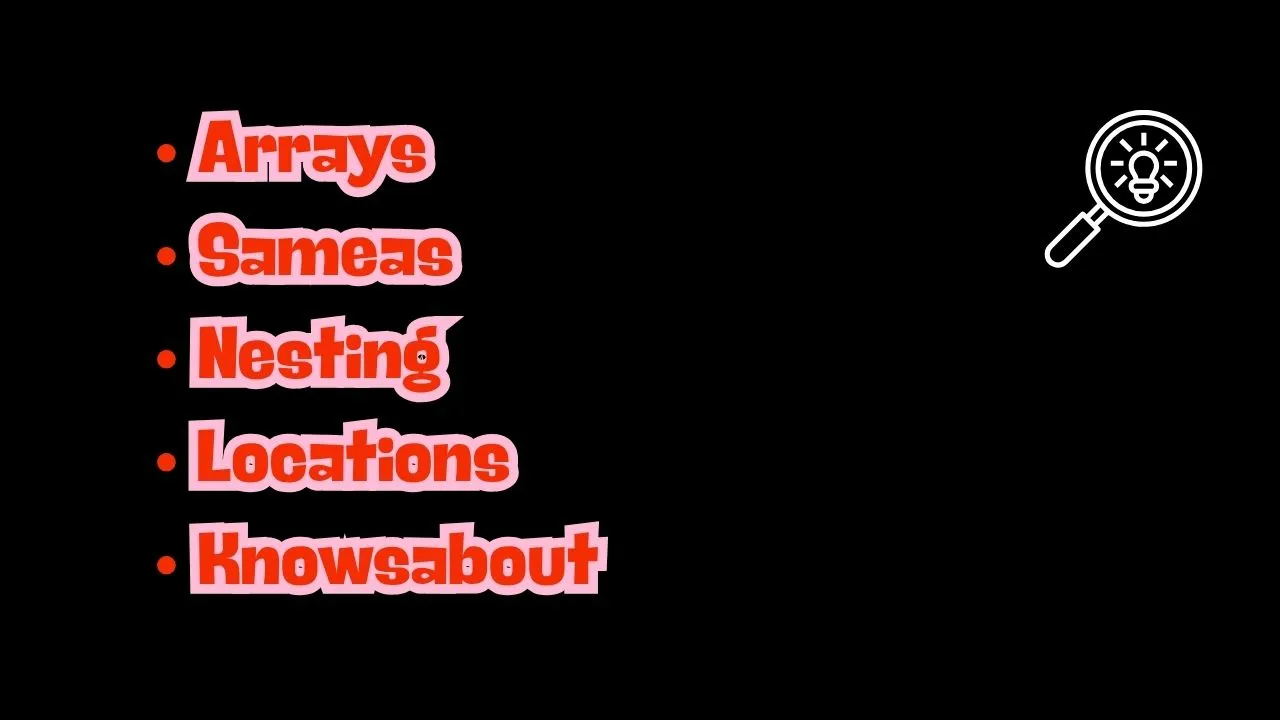
Your existing emphasis on “structured data (like itemprop attributes)” is spot-on, but AI browsers specifically prioritise educational value signals. Enhance your VideoObject schema with explicit learning classifications:
“YouTube algorithm optimisation methodology”,
“AI-driven content strategy implementation”,
“Semantic keyword clustering techniques”
],
“learningResourceType”: “Tutorial”,
“educationalLevel”: “Intermediate to Advanced”,
“timeRequired”: “PT6M35S”,
“educationalAlignment”: {
“@type”: “AlignmentObject”,
“targetName”: “Digital Marketing Competency Framework”
}
Laced with schema.org-compatible microdata, engagement-aware metadata cues, and full compliance with AI’s preference for well-defined context and clarity, the methodologies offered here are algorithmic fluency, live tested with several domains. Video SEO is most effective when optimised at source (YouTube channel and Video post production settings), then writing an SEO article and embedding this MP4 with structured data which follows my propriety custom VideoObject schema generation. I’ve used my agentic development skills to create a bespoke Structured Data framework to enable me to personalise properties and arrays that’s unique to the subject matter.
How Interest Graphs Build Over Time With User Intent and Topical Clustering
Explicit Problem-Solution Architecture
Your analysis of interest graphs is brilliant, but AI browsers need explicit problem-solution mapping. When you discuss how “The algorithm knows me too well,” expand this to include structured problem identification:
{
“@type”: “Problem”,
“name”: “YouTube Channel Low Visibility”,
“description”: “Channel struggling with discoverability despite quality content”
},
{
“@type”: “Solution”,
“name”: “AI-Optimised Channel Architecture”,
“description”: “Systematic approach to semantic optimisation and engagement design”
}
]
Understanding Interest Clusters: The Google Knowledge Graph Roots

Think of your interests as glowing orbs in a three-dimensional space. Each orb represents a specific interest (entity) you’ve demonstrated through your digital behaviour. But here’s where it gets fascinating – these orbs don’t float randomly. They cluster together based on relationships (related topics) the system discovers.
Hiking • Camping • Outdoor Gear • Nature Photography
Sci-Fi Movies • Fantasy Books • Gaming • Technology
AI Ethics • Data Privacy • Machine Learning • Digital Rights
These clusters represent the system’s understanding that individual interests are related, even if you only explicitly interact with one topic in the group.

FAQ, Takeaways and Summary: The Architecture of Understanding AI Algorithm signals
Since October 2024, I’ve been helping clients implement dual-optimisation strategies—creating content designed to perform in both traditional search and AI-driven environments. This involves moving beyond basic SEO to apply structured data tailored specifically for AI scrapers, today, my focus is still on optimising YouTube embeds using VideoObject schema.
These 5 AI signals and digital enhancements make content easier to interpret for Google and AI models like Perplexity and Gemini. What’s the difference between Search Engine SEO, Video SEO and AI SEO/GEO?
- Freshness of Content
- Structured Data (Schema Markup)
- E-E-A-T Topical Depth and Clarity
- External Mentions on Authoritative Sites
- Dwell Time & User Engagement
The decision for clients is clear: continue optimising purely for search engines, or invest in future-ready content that appeals to both algorithms and AI. For long-term visibility and the future of AI-imbibed systems and search operators, the second option requires more time and expertise – and the hourly rate.
Shared topical structures are how systems identify and map common themes, subjects, or categories across various data points. Imagine a vast network of information – articles, videos, posts, products – where algorithms analyse this data to understand underlying topics.
How Are Shared Topical Structures Built?
Content Analysis is the primary indicator, whether on-page, off page or in tailored VideoObject schema. By scraping content data signals, Natural Language Processing and Machine Learning systems ‘read’ text, images, and metadata to extract keywords, themes, and entities. Natural Language Processing (NLP) and machine learning are crucial here by identifying patterns that humans won’t be able to read on the front end with JSON-LD, CSS and HTML markup.
Your user behaviour and engagement builds a shared interest pattern. User Behaviour Aggregation and Co-occurrence Patterns
Behaviour collection and co-occurrence patterns are like your fingerprint. When many users interact with content related to a specific topic – clicking, sharing, commenting on articles about “AI Overviews can improve with an increased fact-based focus of verified Google E-E-A-T signals” the system identifies this as a user-specific shared and segmented interest pattern.
If users who like “sci-fi movies” also frequently listen to “electronic music,” these seemingly disparate interests become linked within the interest graph due to their behavioural co-occurrence. Because of the observed pattern, the algorithm adds to the interest graph (like a recommendation engine for a streaming service or an ad platform) to draw a connection between “sci-fi movies” and “electronic music.” It’s not just that you like both; the AI systems reason that many people like both!
How This Contributes to Your Interest Graph
- User-to-Topic Connections: Engaging with content in a “healthy eating” topical structure strengthens your interest graph’s connection to “healthy eating”
- Topic-to-Topic Relationships: The system learns that “yoga” and “meditation” often belong to the same broader “wellness” structure
- Community Identification: Groups of users emerge who consistently engage with the same shared topical structures
Intentional Resonance: The Signal of Genuine Interest
Intentional resonance refers to deliberate and meaningful interaction with content or other users, signalling strong, authentic interest. It’s about more than fleeting glances – it’s about actions that indicate true engagement and alignment.
This is the “aha!” moment when content truly resonates with your existing or developing interests. It’s not passive consumption, but active response.
How Intentional Resonance Is Detected
Explicit Signals
- Direct Engagement: Likes, hearts, upvotes, and other clear indicators of approval
- Following Behaviour: Following accounts or topics shows clear declaration of interest
- Subscription Actions: Newsletter subscriptions indicate sustained interest
- Content Saving: Bookmarking or saving content suggests desire to revisit
- Direct Searches: Searching for specific topics demonstrates high intent
Implicit Signals (More Subtle but Powerful)
- Time Investment: Spending significant time watching videos, reading articles, or interacting with apps
- Scroll Depth: Reading to the end of long articles indicates genuine engagement
- Repetitive Engagement: Repeatedly returning to content on specific topics
- Active Participation: Commenting, sharing, and participating in discussions
- Conversion Actions: Clicking “buy now” buttons or signing up for information
- Purchase History: Actual purchases are among the strongest interest indicators
How Intentional Resonance Strengthens Your Interest Graph
The Dynamic Evolution of Interest Graphs
Interest graphs are never static. They continuously evolve based on new interactions, changing preferences, and emerging patterns. This dynamic nature is what makes them so powerful – and sometimes eerily accurate.
The system doesn’t just track what you’re interested in right now. It understands the trajectory of your interests, predicting where they might lead and suggesting content that aligns with your evolving preferences.
The Implications for Content and Marketing
Understanding how interest graphs build over time has profound implications for content creators and marketers. Success is awarded by creating content that generates intentional resonance within shared topical structures.
This means focusing on authentic engagement rather than superficial metrics, understanding the broader topic ecosystems your content exists within, and recognising that every interaction contributes to a larger pattern that shapes future content discovery.
The future of digital content isn’t just about your upload frequency – it’s about how authentically it resonates with the complex, evolving interests of your tribe. Don’t be evil..